
FRUIT TREES, SMALL FRUITS, AND VEGETABLES
Our selection changes daily – please call us at (217)-322-6644 for pricing and to confirm availability!
FRUIT TREES:
APPLES
Delicious Red Apple | Malus ‘Delicious’-Red
Iowa, 1895. Striped to solid red. Flavor rich and sweet. Flesh is light yellow, crisp, and sweet. Good for fresh eating and salads. Harrold Strain.
Height: Varies
Spread: Varies
Exposure: Full Sun
Bloom Date: Late Season
Ripening Date: Mid-October
Pollination: Requires Pollinator
Delicious Golden Apple | Malus ‘Delicious’ Golden
West Virginia, 1905. Medium size, round, bright golden yellow. Firm, crisp and juicy, good for eating and cooking. Late maturing. ‘Honeygold’ is a good substitute in colder regions.
Height: Varies
Spread: Varies
Exposure: Full Sun
Zone: 5-8
Bloom Date: Late Season
Ripening Date: Mid-October
Pollination: Requires Pollinator
Freedom Apple | Malus ‘Freedom’
(‘Macoun’ x Antonovka x NY Selection) New York, 1985. The red fruit is large and good for eating, sauces and juice. The flesh is crisp and juicy with a slight tart flavor. The fruit will keep until January in cold storage. It is a very vigorous and productive tree. Developed for disease resistance. Immune to apple scab and resistant to mildew, cedar-apple rust and fireblight. Does not require fungicide sprays.
Height: Varies
Spread: Varies
Exposure: Full Sun
Zone: 4-7
Bloom Date: Mid-Late Season
Ripening Date: Late September
Pollination: Requires Pollinator
Honeycrisp Apple | Malus ‘Honeycrisp’
(‘Keepsake’ x unnamed seedling) University of Minnesota, 1991. An exciting apple that is exceptionally crisp and juicy. Flavor is sweet but well-balanced. Excellent storage life, up to 7 months. It has been rated equal to or higher in overall quality than ‘Haralson’, ‘Honeygold’ or ‘Keepsake’ in winter storage trials. It has become an outstanding commercial and home orchard variety because of its explosive crispness, flavor and storage life.
Height: Varies
Spread: Varies
Exposure: Full Sun
Zone: 4-7
Bloom Date: Mid-Season
Ripening Date: Late September
Pollination: Requires Pollinator
Jonathan Apple | Malus ‘Jonathan’
New York, 1800. Fruit medium size, round, bright red, flesh is white tinged with yellow, aromatic. Crisp, and juicy. Good for dessert or cooking. Good pollinator for ‘Delicious’ Golden, ‘Delicious’ Red and ‘Granny Smith’.
Height: Varies
Spread: Varies
Exposure: Full Sun
Zone: 5-8
Bloom Date: Mid-Season
Ripening Date: Late September – Early October
Pollination: Requires Pollinator
Red Fuji Apple | Malus ‘Red Fuji’
One of America’s most popular apples. Red Fuji is bright red with red stripes and firm cream-colored flesh. Ripening in late October, these apples have very aromatic flavors and are excellent for cooking and fresh eating with great storability. Use another mid to late-season apple for pollination.
Height: Varies
Spread: Varies
Exposure: Full Sun
Zone: 5-9
Bloom Date: Mid-Season
Ripening Date: Late October
Pollination: Requires Pollinator
Royal Gala Apple | Malus ‘Royal Gala’
Branch sport of ‘Gala’, New Zealand, 1969. Great early season apple with crisp firm fruit. Fine-grained texture and excellent flavor make a sweet snack fresh or baked.
Height: Varies
Spread: Varies
Exposure: Full Sun
Zone: 5-8
Bloom Date: Early Season
Ripening Date: Early August
Pollination: Requires Pollinator
Winecrisp™ Apple | Malus ‘Co-op 31’ PP20,437
University of Illinois. Bred in 1989. Attractive medium-sized dark red apple with outstanding flavor. Cream-colored flesh is juicy with full spicy flavors. This apple has shown excellent resistance to scab. Later ripening variety prolongs the harvest season. Use for fresh eating and cooking. It has a very good storage life.
Height: Varies
Spread: Varies
Exposure: Full Sun
Foliage: Green
Zone: 4-8
Bloom Date: Mid-Season
Ripening Date: Early-Mid October
Pollination: Requires Pollinator
Wolf River Apple | Malus ‘Wolf River’
Wisconsin, 1875. An old variety, hardy and long lived. Best known for its large size – up to 5″ diameter fruit. Color is pale yellow to green with carmine-red blushes and stripes. Primarily used as a cooking apple.
Height: Varies
Spread: Varies
Exposure: Full Sun
Zone: 4-7
Bloom Date: Mid-Season
Ripening Date: Early-Mid September
Pollination: Requires Pollinator
CHERRIES
Lapin Cherry | Prunus ‘Lapin’
A big, beautiful dark mahogany red cherry. These are some of the largest and juiciest cherries that grow on trees. The sweet taste is wonderful for baking and cooking. Highly resistant to browning. Thrives in zone 4b, the southern area of 4.
Height: 15-20′
Spread: 10-12′
Exposure: Full Sun
Zone: 5-8
Fruit Type: Sweet
Bloom Date: Early May
Ripening Date: Late July to August
Pollination: Self-Fruitful
First Editions® Sweet Cherry Pie™ Cherry | Prunus ‘Eubank’
Sweet Cherry Pie™ Cherry is a compact tree that makes it perfect for the home garden or a small orchard. The fruit is a sour pie cherry with the sweetest taste. Although not quite for fresh eating like a ‘Bing,’ Sweet Cherry Pie™ cherries are fantastic for jams, jellies, and pies.
Height: 15′
Spread: 12′
Shape: Upright spreading
Exposure: Full Sun
Foliage: Dark green
Fall Foliage: Insignificant
Zone: 4-7
Fruit Type: Sour
Bloom Date: Early May
Ripening Date: Mid-July
Pollination: Self-Fruitful
PEACHES
Bailey Hardy Peach | Prunus ‘Bailey Hardy Peach’
Selected by Gordie Bailey in 1958 from a University of Minnesota fruit breeding trial. This variety was picked for its superior fruiting and hardiness. Fruit is of good size and eating quality. The sweet, semi-freestone juicy flesh is excellent for fresh eating, sauces and baking. Ripens mid-August. This dwarf tree will bear fruit in 2-3 years. Self-fruitful, needs no pollinator.
Height: 15-20′
Spread: 12-15′
Exposure: Full Sun
Zone: 5-8
Fruit Type: Semi-freestone
Bloom Date: Early May
Ripening Date: Mid-August
Pollination: Self-Fruitful
Contender Peach | Prunus x ‘Contender’
A freestone peach with bright yellow flesh. Matches ‘Reliance’ in cold-hardiness and tolerance of spring frosts. Sweet, extra-juicy fruit is an absolute delight for fresh eating, canning, baking, and freezing. Self-pollinating. ‘Contender’ ripens mid-to-late August.
Height: 12-15′
Spread: 15-18′
Exposure: Full Sun
Zone: 4-8
Fruit Type: Freestone
Bloom Date: Early May
Ripening Date: Mid-Late August
Pollination: Self-Fruitful
Reliance Peach | Prunus ‘Reliance’
The hardiest yellow-fleshed freestone peach available. Medium sized, roundish, yellow-fleshed peach that ripens with ‘Redhaven’. It has a rather dull blush over green-yellow color. Flesh is bright yellow, rather soft and juicy. Flavor is fair. Good for fresh market in cold regions.
Height: 18-20′
Spread: 12-15′
Exposure: Full Sun
Zone: 5-8
Fruit Type: Freestone
Bloom Date: Early May
Ripening Date: July-Early August
Pollination: Self-Fruitful
PEARS
Bartlett Pear | Pyrus ‘Bartlett’
Originated as a chance seedling in Berkshire, England. Large size, golden yellow, wonderful quality. Buttery, juicy, highly flavored fruit. Excellent for eating fresh or canning. Vigorous grower and bears young. ‘Bosc’ is a good pollinator for ‘Bartlett’.
Height: 12-15′
Spread: 8-12′
Exposure: Full Sun
Zone: 5-8
Bloom Date: Early May
Ripening Date: September
Pollination: Requires Pollinator
Bosc Pear | Pyrus ‘Bosc’
An old time French variety with large, high quality, russeted fruit. The tender, juicy, yellowish flesh has a smooth texture, and the fruit is good for fresh use and canning. Fruit matures in early October in southern Iowa. Vigorous grower. ‘Bartlett’ is a good pollinator for ‘Bosc’.
Height: 12-15′
Spread: 8-12′
Exposure: Full Sun
Zone: 5-8
Bloom Date: Early May
Ripening Date: Early October
Pollination: Requires Pollinator
PLUMS
Stanley Prune Plum | Prunus ‘Stanley Prune’
Blue – European Plum, 1926. Fruit medium large, flesh greenish yellow. Produces large annual crop. Good for fresh dessert, canning, jams and jellies.
Height: 12-15′
Spread: 8-12′
Exposure: Full Sun
Zone: 5-8
Fruit Type: Semi-freestone
Bloom Date: Late April
Ripening Date: Early September
Pollination: Self-Fruitful
SMALL FRUITS & VEGETABLES:
ASPARAGUS
Jersey Knight Asparagus | Asparagus ‘Jersey Knight’
Jersey Knight Asparagus produces thick, tender green spears, often 3/8″ or more in diameter. This vigorous variety is predominantly male, meaning it sets little to no seed, giving gardeners bigger harvests of edible spears and fewer unwanted seedlings.
Height: 3-4′
Spread: 2-3′
Exposure: Full Sun
Zone: 3-7
Purple Passion Asparagus | Asparagus officinalis ‘Purple Passion’
Tender spears are a beautiful deep burgundy in color. More tender, mild and sweet than standard varieties. Vigorous and productive, producing spears ready for harvesting a year earlier than most varieties.
Height: 3-4′
Spread: 2-3′
Exposure: Full Sun
Zone: 3-7
BLUEBERRIES
Bluecrop Blueberry | Vaccinium corymbosum ‘Bluecrop’
A mid-season blueberry. Considered by many to be the best all-around variety for consistent yields, disease resistance, and high quality. It has an upright, open growing habit. One of the best garden blueberry varieties on the market today.
Height: 4-6′
Spread: 4-6′
Exposure: Full Sun
Zone: 4-7
Ripening Date: Mid-Season
Pollination: Self-Fruitful
Blueray Blueberry | Vaccinium corymbosum ‘Blueray’
Mid-season blueberry. A heavy producer of high quality large, powder-blue berries with outstanding dessert flavor. The beautiful rose-pink flowers turn bright white in full bloom. Foliage turns a burgundy color in the fall. Does particularly well in areas with hot summer or very cold winters. Upright and open growing habit.
Height: 5′
Spread: 4′
Exposure: Full Sun
Zone: 4-7
Ripening Date: Mid-Season
Pollination: Self-Fruitful
Patriot Blueberry | Vaccinium ‘Patriot’
Fruit is very large, firm and has small, dry recessed scars. The berry is formed on tight clusters, and it tends to be flatter than the other cultivars. Ripens early. Excellent flavor. Bush is upright, open and vigorous. Excellent landscape variety with showy white blooms in the spring, dark green foliage in the summer, and fiery orange fall colors.
Height: 4-6′
Spread: 4-5′
Exposure: Full Sun
Zone: 4-8
Ripening Date: Early Season
Pollination: Self-Fruitful
BRAMBLES
Chester Thornless Blackberry | Rubus ‘Chester Thornless’
Chester is a thornless and semi-erect variety of blackberry that was developed by the USDA in 1985. Medium to large berries are deep black, round and very sweet. This is a high quality and high yielding variety and will not soften or lose its color in hot weather. Reputedly an excellent variety for making blackberry wine and fresh eating. Late ripening.
Height: 3-4′
Spread: 3-4′
Exposure: Full Sun
Zone: 5-8
Ripening Date: Late July
Pollination: Self-Fruitful
Bristol Black Raspberry | Rubus ‘Bristol’
Originated at the Geneva Ag. Exp. Station, New York in 1934. Fruit is black and large with attractive, fairly glossy skin. Flesh is firm. Berries have excellent quality, good flavor and ripen in mid-season. Good for canning, freezing, and fresh eating. Canes hardy and vigorous.
Spread: 3-4′
Exposure: Full Sun
Zone: 4-8
Ripening Date: Mid-July
Pollination: Self-Fruitful
Caroline Raspberry | Rubus ‘Caroline’
This is a University of Maryland variety that has proven to be one of the most productive varieties for the East and Midwest. It is considered to be the new standard for everbearing varieties. Fruit is larger than ‘Heritage’, more productive and the taste is very flavorful. ‘Caroline’ is vigorous and more tolerant of root rot and yellow rust than ‘Heritage’. Fruits earlier than ‘Heritage’. Leaf coverage reduces sunscald on berry.
Height: 3-4′
Spread: 3-4′
Exposure: Full Sun
Zone: 4-7
Pollination: Self-Fruitful
Fallgold Raspberry | Rubus ‘Fallgold’
Everbearing raspberry. New golden yellow everbearing variety that produces two full crops each year. Spring crop and then a second crop July-August, right up until a hard frost. Fruit is very sweet and juicy, firm, extra-large conical berries are borne in large clusters. Excellent for all purposes. Hardy, vigorous and very productive.
Height: 3-4′
Spread: 3-4′
Exposure: Full Sun
Zone: 4-8
Ripening Date: Spring & Fall Harvest
Pollination: Self-Fruitful
Heritage Raspberry | Rubus ‘Heritage’
(‘Milton’ x ‘Cuthbert’) 1969. Geneva, N.Y. (Everbearing) The medium-sized red fruit has very good flavor and quality. Exceptional for fresh eating and for making pies and jams. First crop mid-July, second crop September 1.
Height: 3-4′
Spread: 3-4′
Exposure: Full Sun
Zone: 4-8
Ripening Date: Mid-July and Early September
Pollination: Self-Fruitful
GRAPES
Bluebell Grape | Vitis ‘Bluebell’
Resembles ‘Concord’ in size and color but with more tender skin and greater hardiness. Very good table quality. Should be used in northern areas as a substitute for ‘Concord’.
Height: Varies
Spread: Varies
Exposure: Full Sun
Zone: 4-8
Ripening Date: September
Pollination: Self-Fruitful
Concord Seedless Grape | Vitis ‘Concord Seedless’
Fruit resembles ‘Concord’ in color and flavor, but the clusters and berries are smaller. Berries are seedless. Highly regarded as a pie grape and excellent for jam and jelly.
Height: Varies
Spread: Varies
Exposure: Full Sun
Zone: 5-8
Ripening Date: September
Pollination: Self-Fruitful
Edelweiss Grape | Vitis ‘Edelweiss’
Developed by the University of Minnesota and released in 1978. This is the most disease resistant grape we carry. Vigorous. Green-white with high sugar content, good “grapy” taste. Dessert and wine grape.
Height: Varies
Spread: Varies
Exposure: Full Sun
Zone: 4-8
Ripening Date: September
Pollination: Self-Fruitful
Himrod Grape | Vitis ‘Himrod’
A yellow-gold fruited variety, having long loose clusters of medium sized berries. Ripens a month earlier than ‘Concord’. This is a high quality seedless white variety. It is excellent for home garden and table use. One of the hardiest white seedless grapes. (Zone 5-8)
Height: Varies
Spread: Varies
Exposure: Full Sun
Zone: 5-8
Ripening Date: September
Pollination: Self-Fruitful
Reliance Seedless Grape | Vitis ‘Reliance’ Download Image
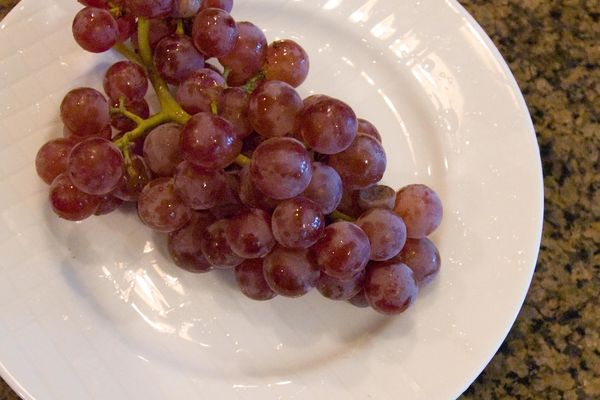
A red, seedless table grape having high dessert quality. Like all grapes, ‘Reliance’ requires annual pruning, adequate fertility and maximum sunlight. Well suited for fresh eating and juice.
Height: Varies
Spread: Varies
Exposure: Full Sun
Zone: 5-8
Ripening Date: September
Pollination: Self-Fruitful
Somerset Seedless Grape | Vitis ‘Somerset Seedless’
A seedless table or juice grape with excellent flavor. Vigorous and bears heavily small, tight clusters of small, deep red berries. Earliest high quality seedless, berries are edible at pink stage in August, but are sweeter and more flavorful if left to ripen to full red.
Height: Varies
Spread: Varies
Exposure: Full Sun
Zone: 4-8
Ripening Date: September
Pollination: Self-Fruitful
GOOSEBERRY
Pixwell Gooseberry | Ribes ‘Pixwell’
- NDSU. Very productive. Pale green fruit becoming pink when ripe. Few thorns. Produces fruit on 2-3 year old wood.
Height: 3-5′
Spread: 3-4′
Exposure: Full Sun
Zone: 3-6
Ripening Date: July – August
Pollination: Self-Fruitful
HORSERADISH
Horseradish | Armoracia rusticana
Horseradish is a beautiful perennial plant that is easy to grow and sends up long stems of white flowers in early to mid summer. The roots are generally dug in the fall, grated and mixed with vinegar. Jars will keep in the refrigerator for months.
Height: 3-4′
Spread: 3-4′
Shape: Upright rounded
Exposure: Full Sun
Foliage: Medium green
Zone: 2-9
RHUBARB
Chipmans Canada Red Seed Source Rhubarb | Rheum ‘Chipmans Canada Red’
Bright red stems are delicious for sauces and pies. One of the sweetest of the red rhubarb. Perennial. (Zone 3-8).
Height: 18″
Spread: 24″
Exposure: Full Sun
Zone: 3-8
Ripening Date: July – August
Pollination: Self-Fruitful
STRAWBERRIES
Honeoye Strawberry | Fragaria x ananassa ‘Honeoye’
The red fruit has good flavor and texture. It is hardy and the entire crop ripens in June, early to mid-season. Excellent for pie, fresh eating and jams.
June Bearers: Planted early spring, produce fruits during the second year of planting. June-bearing strawberries produce a large crop lasting 2-4 weeks, in late spring early summer. Depending upon your location strawberry plants usually begin flowering in Zone 5 areas in early May. Cultivars are rated as early, midseason, or late according to when they bear. Early varieties may be more subject to frost injury because of their bloom time, and the opened blossom is at the stage of fruit development most susceptible to frost injury. Strawberry varieties all ripen about 30 days after bloom. June-bearing strawberries normally produce the largest yield per season, in a short period of time. If you want enough berries for freezing and processing choose June Bearers.
June-bearing varieties flourish in the spring and produce one crop lasting about 2-4 weeks. They are planted the first year and produce a full crop the second year. If properly cared for, can be productive for 3-7 years.
Height: 4-12″
Spread: 10-14″
Exposure: Full Sun
Zone: 3-10
Flavor: Good
Berry Size: Very Large
Seascape Strawberry | Fragaria x ananassa ‘Seascape’
A very large, hardy, heavy producing variety with firm fruit, good color and flavor when picked ripe. Very good choice for roadside and farmer’s markets for summer and fall production.
This type of strawberry is grown differently than June Bearers. You can harvest a crop the first year of planting. Multiple harvests are exhausting on plants. Day Neutral and Everbearing varieties will need to be replaced at least every 2 years. Many growers treat these varieties as annuals and remove the planting after frost and replant every year.
Day-Neutrals and Everbearers fruit during the hottest time of the year so many growers use overhead irrigation to cool plants. Day-Neutrals and Everbearers may runner prolifically and produce no flowers if temperatures are too high for too long.
Height: 4-12″
Spread: 10-14″
Exposure: Full Sun
Zone: 4-8
Flavor: Very Good
Berry Size: Large